

Choosing wood for a new project is hard. Makers often ask what are the main differences between domestic and exotic woods before buying any materials for their shop. Exotic Woods bring bold colors and rich textures to any workshop build, transforming ordinary furniture pieces into extraordinary showstoppers. Woodworking enthusiasts everywhere spend countless hours browsing through lumber yards trying to decide whether local timber or imported species will best serve their creative vision. Understanding the physical behavior of various timber species helps prevent costly mistakes and ensures your handmade furniture survives decades of daily use in your home.
The Truth About Exotic Woods
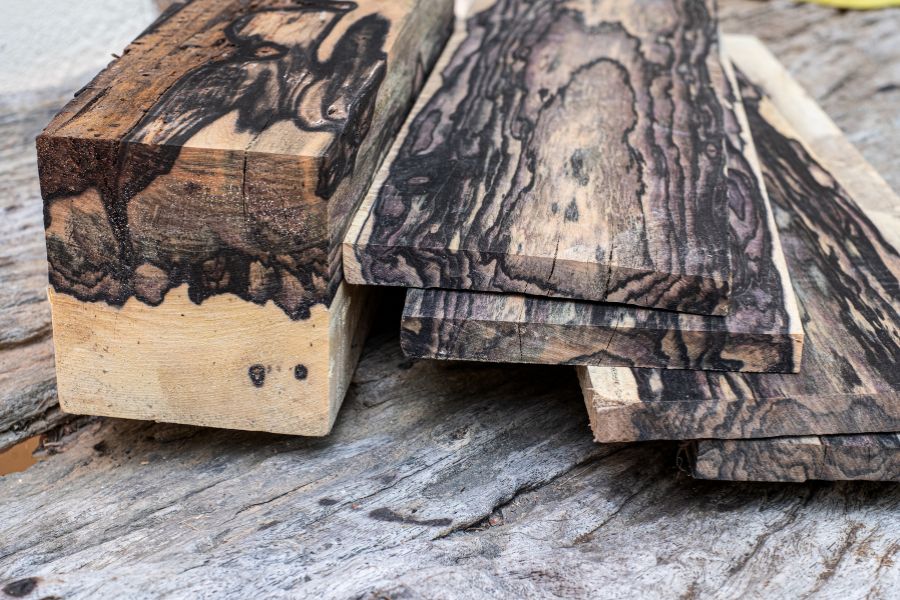
Regional climates shape timber traits in fascinating ways. Grain patterns dictate visual appeal and catch the eye across a crowded room. Local oak offers subtle lines and classic warmth that feels comforting in traditional settings. Exotic Woods stun with bright hues, electric contrasts, and mesmerizing visual depths that draw immediate attention. Tropical trees build natural defenses against aggressive insects and harsh jungle climates over centuries of slow growth. This evolutionary defense creates wild figure traits and incredible natural oils that make every single board completely unique. When you plan a custom build using these boards, you might want to check out some unique coffee table designs build weekend for creative inspiration.
Understanding Structural Performance and Physical Metrics
Engineering stats matter immensely when designing heirloom-quality furniture that must support heavy loads over time. Every board carries a specific density rating that dictates its overall weight and physical strength. Hard maple offers steady strength and predictable machining qualities for everyday workshop projects. Dense tropical lumber tests shop gear to its absolute limits because of its heavy cellular composition. Working with dense exotic lumber in home workshops feels very heavy compared to standard softwoods or light hardwoods. Heavy mass brings high impact strength and exceptional resistance to surface dents, making imported lumber ideal for heavy-use items.
Moving heavy timber around the shop requires proper lifting techniques and sturdy workbench setups to avoid strain. The sheer weight of tropical species means you must support overhangs properly during assembly and joinery cutting. Experienced builders always factor in the extra weight when designing wall-mounted shelves or delicate leg assemblies. Ignoring the physical mass of your lumber can lead to sagging joints and structural failures down the road. Taking time to evaluate the mechanical demands of your project ensures your finished piece remains safe and functional.
Budgeting and Economic Realities of Timber Selection
Budgeting limits your project choices and forces creative compromises during the initial planning phase of woodworking. The cost variance between local and imported timber is huge and often surprises beginners stepping into specialty lumber yards. Domestic boards cut down shipping fees significantly because they travel shorter distances from regional forests to local distributors. Rare tropical logs involve complex international logistics, strict customs regulations, and high import tariffs. Imported boards cost much more per board foot than standard domestic lumber options available at nearby mills.
Planning your finances carefully prevents you from running out of funds halfway through an ambitious custom furniture build. Purchasing extra material for test cuts and joinery practice adds to the overall project expense when using expensive imported stock. Smart woodworkers calculate board footage accurately and design around standard lumber widths to minimize expensive waste. Balancing your aesthetic desires with realistic financial constraints keeps your workshop running smoothly and profitably.
Environmental Responsibility and Modern Timber Ethics
Sustainability guides modern timber choices and influences how conscious artisans source their raw building materials. Finding the most sustainable domestic woods for custom furniture helps protect natural forests and supports local green initiatives. Local walnut carries clear eco chains of custody that prove responsible harvesting practices from regional suppliers. Checking sourcing ethics stops illegal rainforest logging and protects fragile tropical ecosystems from devastating clear-cutting practices. Responsible consumers demand transparency from timber merchants to ensure their hobby does not harm global biodiversity.
Supporting certified forestry programs guarantees that future generations will enjoy the same rich variety of timber species we use today. Many regional tree farms practice selective harvesting, removing mature trees while leaving younger saplings to thrive and grow. Asking your lumber supplier about the origin of their stock encourages better industry standards worldwide. Making ethical purchasing decisions aligns your woodworking passion with environmental stewardship and long-term ecological health.
Workshop Realities: Milling and Tool Maintenance
Milling tropical boards takes patience, sharp tooling, and a healthy respect for heavy machinery in the shop. The challenges of milling exotic hardwoods test your tools and push your woodworking skills to new heights. Tropical species contain abrasive silica minerals that dull traditional steel cutting edges with alarming speed. Tool wear happens fast on dense lumber, requiring frequent sharpening sessions or carbide blade upgrades. Proper saw blades stop burning and chipping, ensuring clean glue-ready edges on every single cut.
Setting your planer and jointer for shallow passes prevents motor strain and reduces the risk of dangerous kickback incidents. Dust collection systems must run at peak efficiency to capture heavy chips and fine abrasive particles during milling operations. Taking slow, deliberate passes through your thickness planer yields superior surface smoothness and protects your expensive machine motors. Maintaining your workshop equipment regularly is the secret weapon for mastering stubborn imported timber species.
Health Precautions and Biological Hazards in the Shop
Sawdust brings hidden health threats that every woodworker must take seriously to protect their respiratory system. Makers must watch for allergy risks when handling unfamiliar wood species with high natural toxicity levels. Tropical trees carry natural defense toxins that deter jungle predators and insects in their native environments. Fine dust from these species can trigger severe asthma, skin rashes, and allergic reactions in sensitive individuals. Good dust masks, air filtration units, and tight-fitting shop clothing protect your lungs and skin effectively.
Washing your hands thoroughly after handling oily exotic lumber prevents accidental ingestion of irritating natural compounds and plant alkaloids. Keeping your workshop well-ventilated disperses airborne particles before they settle on your workbench or skin. Listening to your body when you experience sneezing or skin irritation during cutting sessions is vital for your safety. Prioritizing personal health ensures you can enjoy your woodworking hobby for many years without medical complications.
Climate Adaptation and Long-Term Dimensional Stability
Building good furniture takes care, precision, and an understanding of how wood reacts to humidity. Keeping dimensional stability stops wood movement, warping, and seasonal cracking in finished furniture assemblies. Local species adapt naturally to seasonal indoor climate shifts and changing humidity levels in your home. Dried tropical boards resist moisture well due to their tight cell structure and natural oils. Proper drying stops bad cracking and prevents unsightly gaps from forming in your carefully crafted tabletops.
Allowing your lumber to acclimate to your workshop environment for a couple of weeks before cutting prevents unexpected movement. Using movement-friendly joinery techniques like slotted screw holes and floating panels accommodates natural seasonal expansion cycles. Checking moisture content with a digital meter guarantees your wood is stable enough for indoor furniture construction. Mastering wood movement separates amateur builds from true master craftsmanship that survives generations.
Frequently Asked Questions
Are exotic woods always superior in durability compared to domestic species?
Not always. Durability depends on project use. White oak offers great rot strength.
How can I verify whether my imported lumber is ethically sourced?
Ask your supplier for paper proof. Check for forestry certification papers.
Why do my saw blades burn when I cut dense tropical lumber?
High density creates heavy friction heat. This heat scorches the wood fast.
Can beginners successfully build furniture using imported tropical timber?
Yes. Beginners can work safely with sharp tools.
